
Help scientists understand how an invasive cactus affects mammal behaviour!
- Dec 9, 2021
- 2 min read
Updated: Apr 15, 2025
By Peter Stewart
Invasive prickly pear cacti (Opuntia) are a serious problem in Laikipia County, Kenya. This invasive plant spreads rapidly across the landscape, turning diverse habitat into a green hell of pads and spines. As invasive plants like prickly pear spread, they can alter the behaviour of wild animals, triggering a cascade of consequences which impact on the ecosystem and the communities who inhabit it.
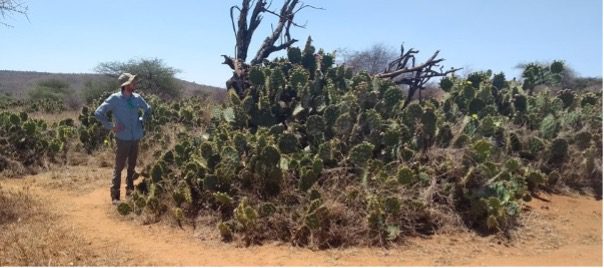
In a new project, our team from Durham University’s Conservation Ecology Group, in collaboration with Mpala Research Centre and Loisaba Conservancy, is working to understand how prickly pear affects the habitat use of wild mammals – a key aspect of their behaviour.
To achieve this goal, we are using motion-activated camera traps to record how many animals of each species are using sites invaded by prickly pear, and then comparing these numbers to nearby sites with little or no cactus. The camera traps also provide information about how different species interact with the cactus, whether eating its fruits or spiny pads, eating other plants which grow within the cactus stands, or using the cactus as cover to hide from predators.

To process the huge number of photos collected by the camera traps, we need your help! We have set up a project on the online citizen science platform Zooniverse, where anyone can view the camera trap photos and classify the animals in them. You can click here to visit the project home page.
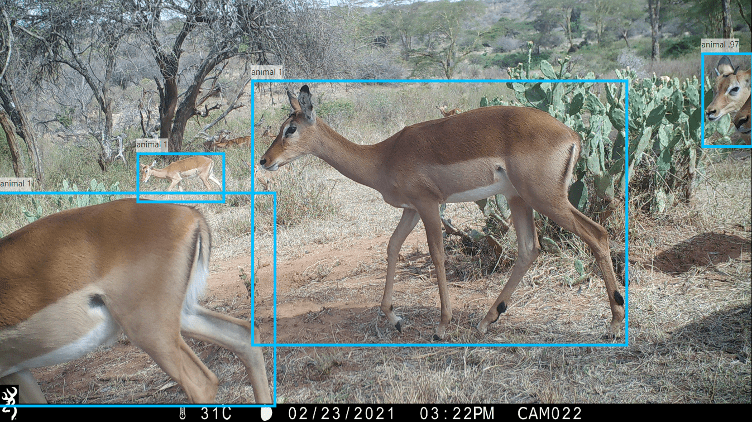
Before uploading images to Zooniverse, we pre-screen them with the machine learning tool Megadetector to filter out empty images – this means that most of the images on our Zooniverse page have animals in them!


These invasive prickly pear cactus are turning Kenya’s landscapes into a spiny mess, and it’s fascinating to see how they’re shifting wildlife behavior. Great project—glad citizen scientists can help sort those camera trap photos. Nature always finds a way to surprise us. Check out more bizarre nature shots at cursed images.
I was trying to stream a movie on a sketchy website when a loud fake virus warning popped up and froze my browser. When I finally managed to close the pop-up, an ad for a cam site was hiding underneath it. I blindly clicked it out of frustration and ended up on Bongacams, noticing its heavy worldwide presence by the sheer variety of languages being typed in the chat. I was ready to close it, but a thumbnail of a girl with bright pink hair caught my eye. She was doing an interactive board game where every roll of the dice dictated a piece of clothing to remove. It was a clever way to structure an erotic stream. I stayed…
Hôm bữa mình thấy bạn bè nhắc nhiều nên tò mò bấm vào xem thử giao diện thế nào. Mình không có ngồi chơi hay tìm hiểu sâu, chỉ lướt qua bố cục của xx88.uno với cách họ trình bày thông tin thôi. Cảm giác đầu tiên là trang nhìn khá “dễ thở”, kiểu thân thiện, không bị nhồi chữ quá mức nên mới vào cũng không rối.Nói chung hợp kiểu người chỉ muốn xem nhanh cấu trúc site, vì menu và các khối nội dung được đặt gọn và dễ nhìn ngay trên trang.
Mình thích xem thử vài mục khác nhau trước khi quyết định dùng lâu. Khi chuyển từ thể thao sang casino live, mình thấy thao tác khá mượt. Giao diện hiển thị rõ nên việc tìm kiếm cũng khá nhanh. Sau đó mình thử mở thêm vài trò giải trí khác để xem tổng thể cách vận hành. Lúc mình vào https://go99me.com/ tìm hiểu thêm thì thấy nổ hũ và sổ xố cũng được bố trí chung khá gọn. Cá nhân mình thấy trải nghiệm trên GO99 khá dễ theo dõi.
Tuần trước mình vô tình tìm kiếm thông tin liên quan đến chuyện đầu tư thì lại thấy một bài viết có nhắc đến trang luck8 trang chủ trong đợt lướt hội nhóm trên Facebook. Mình tò mò nên truy cập thử để xem giao diện và nội dung thế nào. Nhìn qua thì nó có vẻ khá trực quan và dễ hiểu, đa dạng chủ đề từ thể thao, xổ số, slot,... màu sắc không quá gắt, mắt mình thấy thoải mái.