
Citizen Science Initiative
Updated: Apr 22, 2025
Loisaba Conservancy is a hub for applied conservation research in the north Kenya landscape. Our research partners San Diego Zoo, Space for Giants and Lion Landscapes are constantly on the lookout for high quality images that can be used to identify specific individuals. As a result, Space for Giants and San Diego Zoo have developed a project to engage guests at Elewana’s luxury Loisaba Star Beds and Loisaba Tented Camp in a Citizen Science Initiative.
For the past year Loisaba has been using the Spatial Monitoring and Reporting Tool (SMART) to monitor wildlife numbers throughout the conservancy. Data is collected using an app called Cybertracker and analysed using SMART to show wildlife encounters and human activities across the conservancy.

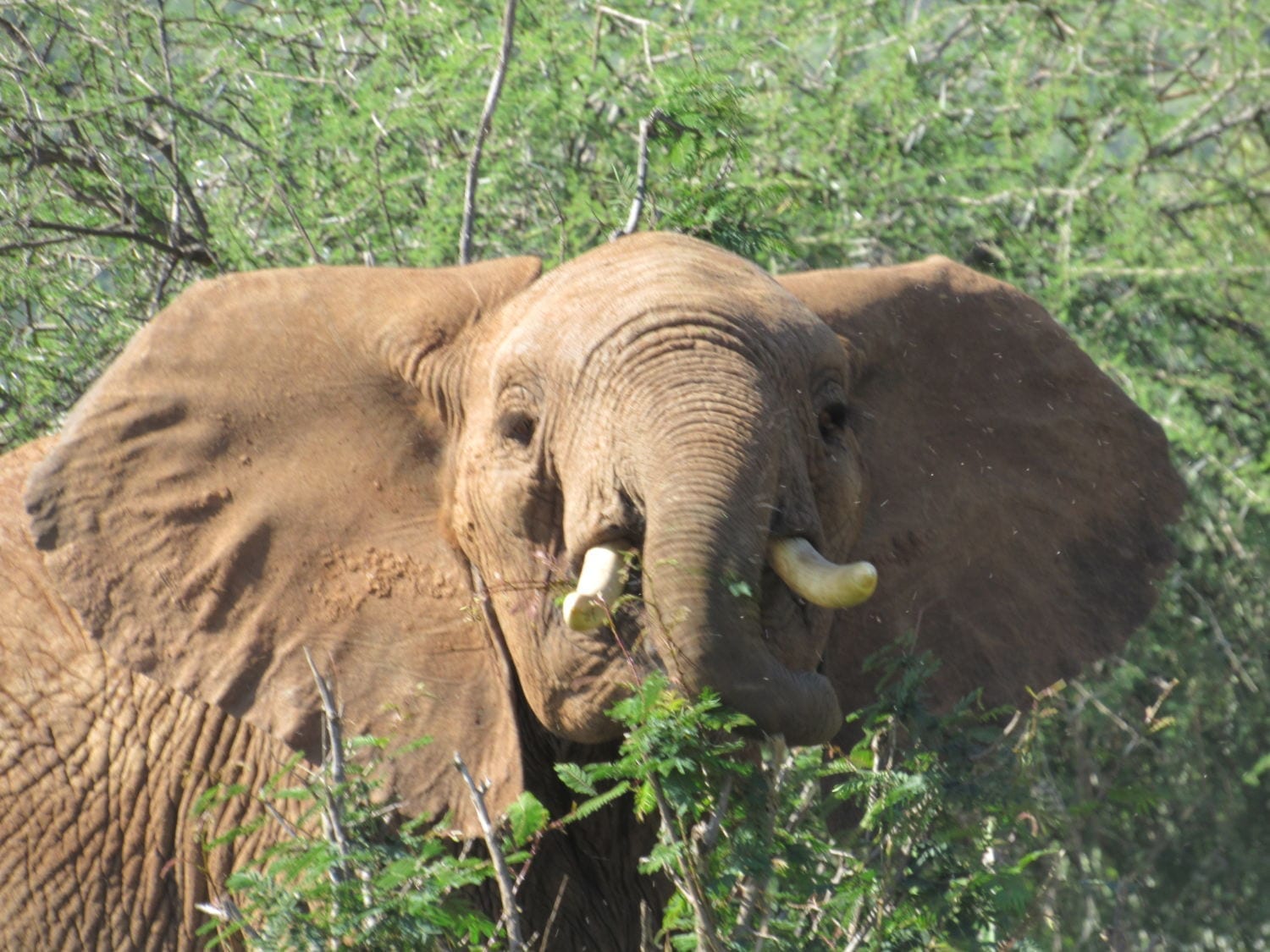
As part of the new Citizen Science Initiative, every game drive vehicle will be equipped with a tablet installed with the simple data collection model. This will allow guests to record sightings for seven key species of wildlife; elephants, leopards, lions, giraffes, Grevy’s zebras, cheetahs and wild dogs during their game drives. Every sighting is automatically geotagged meaning that the data can be easily mapped after the drive. This data will then contribute meaningfully to the research objectives of each of the respective research partners at Loisaba.
For example, locations and images of leopards taken by guests will allow SDZG researchers to identify individual leopards and track populations and their status through time. SDZG researchers use remote cameras to identify leopards by their unique coat patterns. Each leopard has a distinct set of rosettes, much in the same way a fingerprint is unique to every human. Researchers use these coat patterns on each flank of the leopard to verify their identification.
The pilot project has been tested on Loisaba Conservancy over the past few months with the brilliant Elewana guides having been trained on the data collection app by our Conservation Officer, Chege Amos.
Loisaba is at the forefront of adaptive management through scientifically informed decisions that will help inform appropriate rangeland management, and with endangered species conservation. This Citizen Science Initiative will encourage guests to become budding scientists contributing meaningfully to ongoing research projectsand management of Loisaba’s wildlife, which is in line with our management plans.
By: Izzy Parsons


Comments